The Wealth Gap Is Widening
Right now, the richest 1% of people own nearly half of the world’s wealth. The bottom half of the global population? They scrape by with less than 1%. That’s not just a stat it’s a time bomb. Since the pandemic, this gap hasn’t just widened. It’s cracked wide open.
Developed economies saw asset prices shoot up stocks, real estate, crypto. If you owned something before 2020, chances are you now own more. But if you were living paycheck to paycheck when COVID hit, odds are you’re still catching up. Layoffs, inflation, and rising debt levels haven’t helped. Disposable income shrank for millions. Meanwhile, corporate profits soared.
This stress doesn’t just hit bank accounts. It messes with decisions. Economic pressure pushes people into riskier behavior, and one of the riskiest? Gambling. You don’t need to be a psychologist to get it: when the stable paths feel blocked, people start testing the unstable ones. That can mean betting on a scratch off ticket, rolling crypto dice, or placing a few too many sports wagers.
The bottom line? The bigger the inequality, the more people reach for quick fixes and the more vulnerable they become to systems built around slim odds.
Gambling Participation by Income Level
Across most countries, the data tells a clear story: lower income groups gamble more frequently than their middle and high income counterparts. A recent survey by the National Gambling Impact Study Commission in the U.S. found that households earning under $30,000 annually are nearly twice as likely to spend on lottery tickets or instant games as those earning over $75,000. In the UK, the trend holds low income households spend a higher percentage of their disposable income on betting, especially in neighborhoods where gambling shops outnumber grocery stores.
It’s not just about access it’s about psychology. In lower income communities, gambling isn’t always just entertainment. For many, it’s a sliver of hope. A chance to escape the grind. It’s the idea that one lucky ticket could leapfrog years of economic struggle. When opportunities feel limited or stalled, quick wins become more appealing, even if the odds are terrible.
For some, gambling offers control in a system that often feels rigged against them. It feels like doing something, rather than sitting still. Hope becomes the product, and the purchase price is just a few dollars or whatever cash is left after rent, bills, and groceries. For people with fewer options, the dream can outweigh the risk.
The Psychology Behind Betting in Tough Times
When despair moves in, reasoning moves out. For many facing unstable work, rising rent, or a bottomed out savings account, gambling offers something most systems don’t: a fast out fantasy. You’re not just buying a ticket you’re buying a moment of power, hope, or the thought that maybe today you beat the odds. That’s the lottery mindset. It thrives in societies where inequality is high and mobility feels impossible.
Status anxiety plays into it, too. Social media flashes reminders of what others have and what you lack. A five dollar scratcher becomes a five second dream of catching up. For some, that dream is occasional and harmless. But when financial pressure, emotional fatigue, and lack of support stack up, gambling shifts from a break to a habit and sometimes into addiction.
This isn’t just about risk. It’s about regulation, infrastructure, and inequality shaping behavior. In high inequality societies, gambling isn’t an isolated vice it’s one of the few perceived tools people have to change their situation fast.
For more on how inequality fuels these patterns, check out Inequality Shapes Trends.
Marketing, Access, and the Inequality Factor
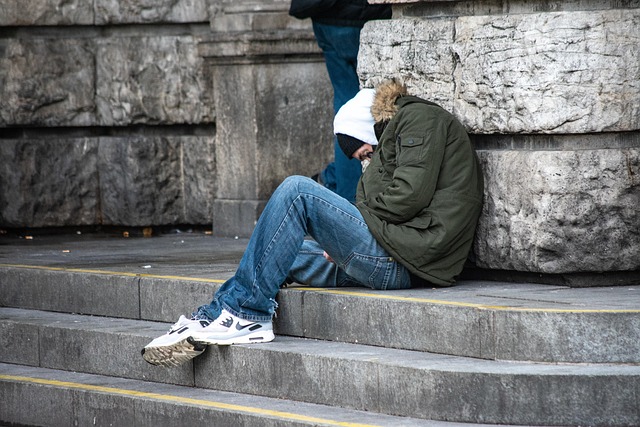
It’s not random who sees gambling ads and who doesn’t. Betting companies are getting sharper with their targeting, focusing their efforts on zip codes and online profiles tied to financial stress. In vulnerable neighborhoods where grocery stores have shut down but pawn shops stay open late, digital billboards and flyers tout quick cash and big wins. Online, algorithms deliver the same pitch to users who browse payday loan sites, budget forums, or job hunting platforms. The message is subtle but persistent: if you don’t have much, this might be your shot.
Casinos and betting apps know they’re tapping into an audience that’s more likely to act from desperation than disposable income. Promos like no deposit bets and instant payout features aren’t just about convenience they’re calculated to hit those living paycheck to paycheck. Economic insecurity becomes a funnel, and the entire system is greased to make betting feel like an answer instead of a risk.
Meanwhile, the rise of mobile betting is removing what little friction used to exist. You no longer need to walk into a casino or get ID’d at a sports bar. If you’ve got a smartphone, you’re inside the system. And because betting apps aren’t tied to a physical location or subject to the same local zoning laws, they operate more freely across borders, bypassing the guardrails of traditional regulation. No storefronts, fewer watchdogs, and 24/7 availability that’s the new terrain.
Gambling access used to be gated. Now it’s pocket sized and everywhere. And the people it reaches first are often the ones with the least buffer for loss.
Surprising Patterns Among the Wealthy
When we talk about gambling, the default image is often someone chasing a payday, digging for a way out. But at the top end of the income spectrum, gambling plays a different role. It’s not about survival it’s about stimulation.
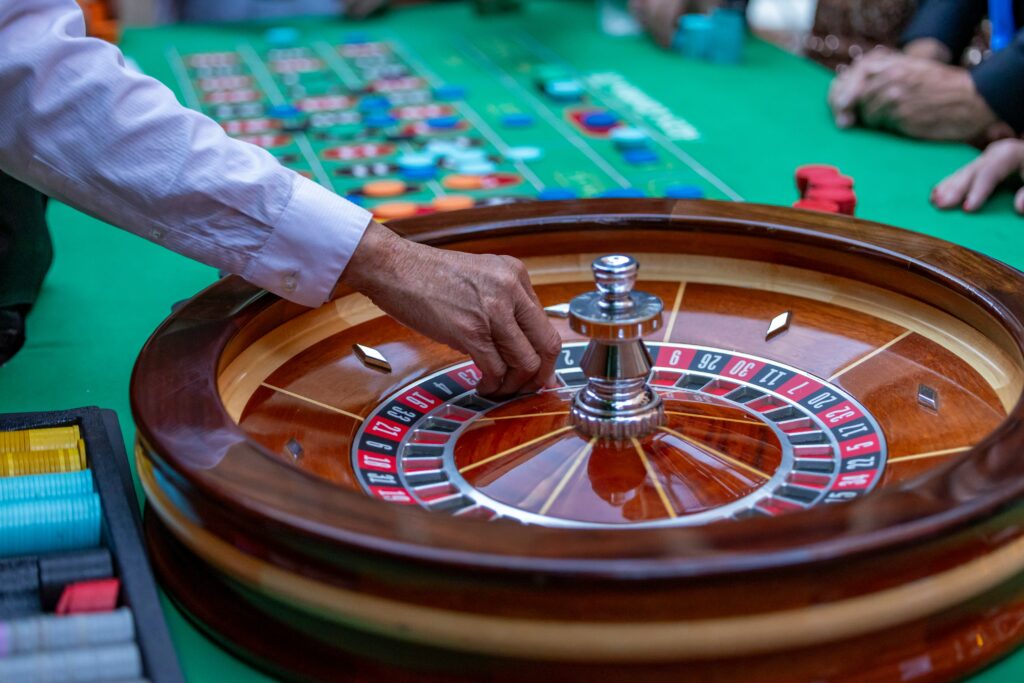
High income gamblers aren’t hitting slot machines in back alley joints. They’re buying in at high stakes poker games in Monte Carlo, flying private to Macau, or tossing crypto into decentralized betting platforms with complex risk reward structures. The games are curated. The ambience is designed. These players aren’t anonymous they’re peers, sharking each other for ego and status.
So why risk anything when you’ve already ‘made it’? Part of it is control. When money isn’t scarce, the thrill of potential loss becomes more novel than dangerous. Winning isn’t about doubling cash it’s about dominance. About being sharper, faster, cooler under pressure. For many affluent players, the scoreboard isn’t their bank account it’s how many tables they own, how close they can play to the edge without falling.
And then there’s the adrenaline factor. For wealthy individuals, many aspects of life are low risk and highly managed. Gambling especially in elite or technical formats injects uncertainty back into the mix. A curated fix for an otherwise calculated life.
It’s not about need. It’s not really about money. It’s about status, nerves, and keeping the blade sharp.
Where Policy Comes In
Gambling doesn’t happen in a vacuum. Governments write the rules and take a cut of the winnings. That puts them in a tough spot: they’re supposed to protect the public from excessive risk, but they also rely heavily on gambling taxes to fill budget gaps. For many countries and states, lottery and casino revenue fund everything from schools to transportation. The incentives are tangled.
Meanwhile, regulation efforts are uneven. Some governments have tightened advertising rules or upped licensing fees. Others turn a blind eye, especially when budget shortfalls loom. There’s growing noise about limiting where and how betting can be promoted especially to vulnerable communities but enforcement lacks teeth.
Taxation is another sticking point. Critics argue that flat rate or regressive gambling taxes hit the poor hardest. Reformers are calling for scaled tax brackets, mandatory harm reduction programs, and clearer separation between regulators and revenue departments.
Real change may start with acknowledgment. Betting is not just about individual choice it’s a system shaped at the top. Responsible governance could include capping aggressive ads, mandating education around gambling risks, and addressing the economic pressure that drives people to bet in the first place. That includes bigger fixes like income reform and stronger safety nets.
For strategies and deeper analysis, explore: Inequality Shapes Trends
What We’re Really Betting
This isn’t just a story about who plays the slots or buys lotto tickets. It’s about who owns the machines and who’s building wealth off of other people’s losses. Inequality isn’t just driving up gambling rates among low income groups; it’s propping up an entire ecosystem designed to capture and profit from those behaviors.
Betting platforms, casinos, and app developers are turning steady profits. And the more unstable the economy feels for the average person, the more dependable those profits become. The risk is no longer just an individual throwing in a few bucks for a shot at a better life. It’s an economic structure reliant on desperation.
What’s more, households with financial cushion can afford to treat gambling as a game. For them, it’s entertainment. For someone juggling rent, bills, and side gigs, gambling can feel like their only chance at escaping the grind. That difference in motive reshapes the system and who it serves.
If these trends hold, the real gamble isn’t the next spin or scratcher. It’s whether we let inequality continue to fuel a market where the house always wins because doing nothing might end up costing more than we think.