
Risk enters daily decisions in many forms. Yet few activities place it under such constant focus as gambling and investing. Both involve uncertainty, calculated choices, and the possibility of loss. Outcomes feel personal because decisions link directly to money and confidence. This overlap explains why people often discuss these activities within the same conversation, even though their structures and goals differ.
The rise of fast digital formats has also changed how people interact with risk. Instant casino games, including access through a mines game download, present rapid outcomes that appeal to players who prefer short decision cycles and clear results. That immediacy shapes how risk feels and how it affects behavior, which contrasts with the slower pace common in financial markets.
How Risk Is Defined in Gambling and Investing
Risk refers to the chance that an outcome differs from expectations and produces loss. In gambling, this definition centers on fixed odds and predefined payouts. Each wager carries a clear probability and a known potential result. Once the bet occurs, chance determines the outcome within a closed system.
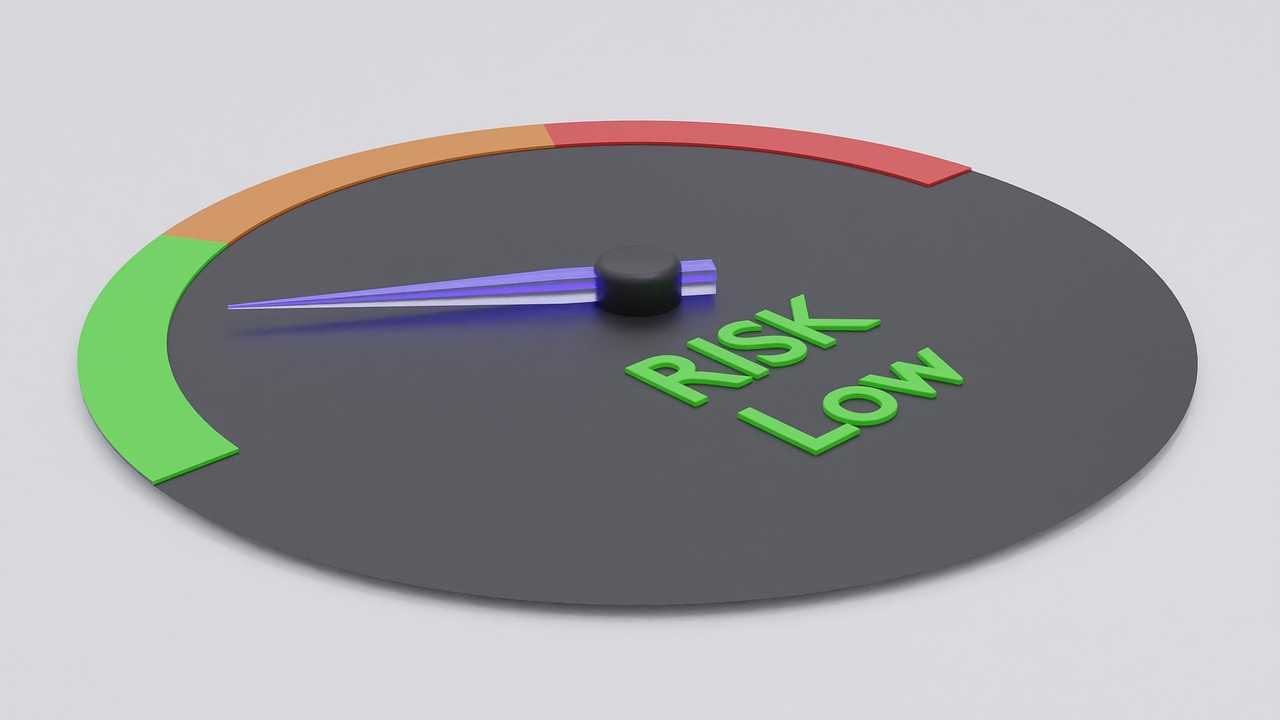
In investing, risk reflects uncertainty tied to markets, companies, and economic forces. Prices change based on information, sentiment, and external events. Outcomes remain open for long periods, and decisions often rely on forecasts rather than fixed probabilities. Despite this difference, both activities require judgment under uncertainty and acceptance of outcomes beyond full control.
Key Similarities in Risk Behavior
Risk behavior follows familiar patterns across both domains. People react to uncertainty in predictable ways, even when systems differ.
Probability and Expected Value
Probability frames each decision. In gambling, expected value defines whether a wager favors the house or the player. In investing, expected return guides asset selection and portfolio design. Poor understanding of probability leads to choices that feel justified in the moment but produce negative results over time.

Emotional Decision-Making
Emotions shape risk tolerance. Confidence after success often leads to larger stakes. Fear after loss pushes people toward defensive choices or rash attempts at recovery. These reactions influence both betting slips and market orders. Emotional pressure often overrides calculation, especially after streaks of wins or losses.
Skill vs. Chance Balance
Neither domain rests on pure randomness nor full control. Knowledge, discipline, and experience improve decision quality. Chance still influences results. Skill changes the range of outcomes, not the presence of uncertainty itself.
Structural Differences That Change the Risk Profile
While behaviors overlap, structure alters how risk unfolds. These differences affect consequences and recovery.
Time Horizon
Gambling resolves risk quickly. Results appear within minutes or seconds. Investing unfolds across months or years. Time allows information to accumulate and strategies to adjust. The pace alone changes how losses feel and how decisions respond to them.
Edge and Control
Casinos operate with a mathematical edge built into every game. That advantage remains constant. Investors face no fixed opponent with guaranteed profit. Research, diversification, and patience can improve outcomes, though certainty never appears.
Recoverability of Losses
Most gambling losses end the moment a round concludes. Recovery depends on new wagers that face the same odds. Investment losses may reverse as prices shift or fundamentals improve. Time and strategy influence recovery potential.
Risk Management Tools Compared
Risk control tools exist in both areas, though their effects differ due to structure. Clear rules reduce exposure and limit emotional damage.
| Area | Common Tools | Primary Purpose |
| Gambling | Stake limits, session caps, loss caps | Restrict short-term damage |
| Investing | Diversification, allocation, stop rules | Balance long-term exposure |
In gambling, limits protect against rapid depletion. They enforce discipline within a fixed-odds system. In investing, tools shape exposure across assets and time. They aim to absorb volatility rather than eliminate it. Both sets of tools support consistency, though neither removes risk.
When the Line Between Gambling and Investing Blurs
Certain activities blur boundaries. High-frequency trades, speculative tokens, and hype-driven stocks shift attention from value to short-term price movement. Decisions depend more on momentum and sentiment than analysis. Outcomes reflect behavior more than the asset itself.
Understanding Risk Changes Outcomes
Risk remains neutral. It carries no promise and no intent. Outcomes depend on structure, time, and discipline. Confusion arises when surface similarities hide deeper differences.
A clear view of risk supports better alignment between chosen tools and personal goals. Awareness does not eliminate uncertainty, but it strengthens control over decisions that influence outcomes over time.