Recognizing the Ripple Effect
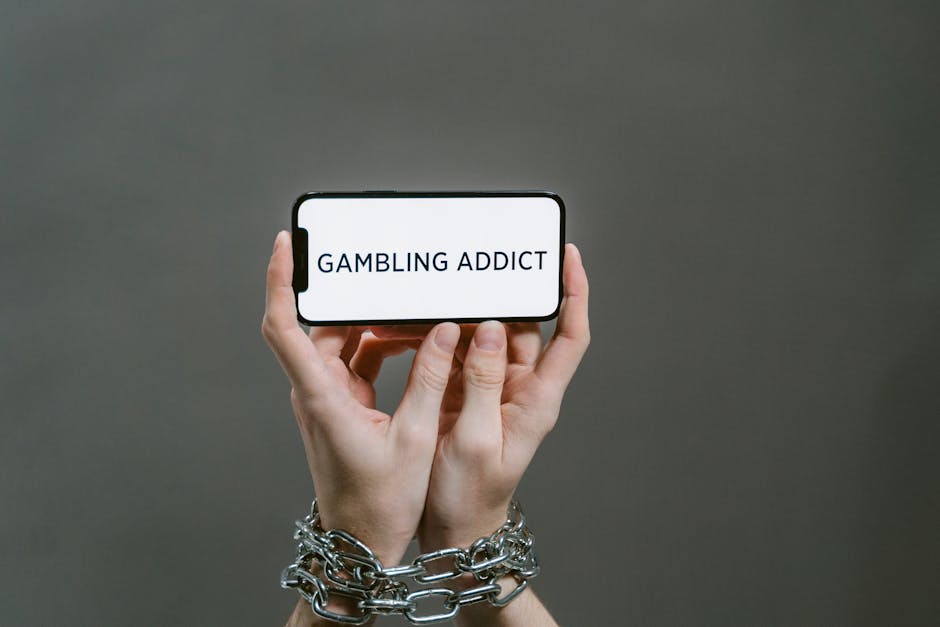
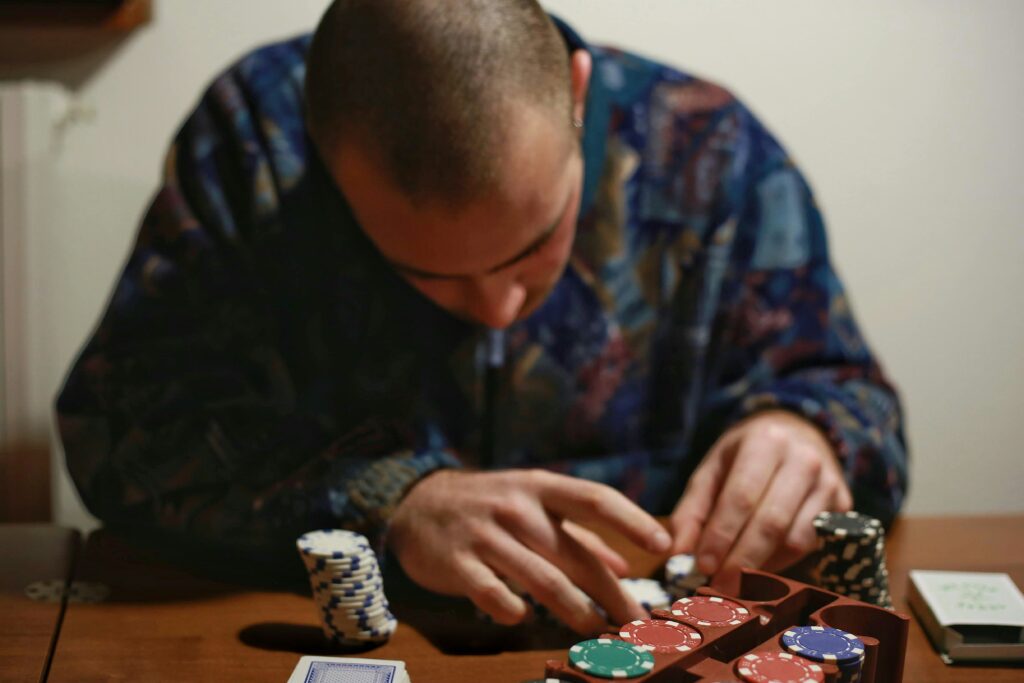
Gambling addiction rarely stays isolated. One person’s behavior can quietly unravel the stability of an entire household. Financial strain is the most visible crack missed rent payments, hidden debts, empty savings accounts. But the emotional strain runs deeper. Trust breaks down. Anxiety creeps in. Family members are left picking up pieces they never dropped.
Relationships suffer. Partners feel betrayed. Kids lose out on time, attention, even necessities. Anger, guilt, confusion they all settle like thick dust over daily life. And the silence around gambling addiction doesn’t help. Families often feel alone in it. There’s shame in speaking out, and uncertainty about where to turn.
The result? Isolation. People end up hurting quietly, unsure how to support their loved one while also protecting themselves. This section lays the foundation: to help families, you first have to see how deep the impact runs.
Role of External Support Networks
Families affected by gambling addiction often need more than just hope they need access to practical, informed resources. Fortunately, a growing number of external support networks are stepping up to meet those needs.
Community Based Programs for Families
Local programs designed specifically for families of those with gambling problems offer immediate and culturally relevant support. These programs often partner with mental health professionals and social workers to provide targeted services.
Family focused education sessions
Group workshops that teach coping strategies
Local meetups for shared experiences and emotional support
Non Profit Resources with a Purpose
Many non profit organizations are focused on giving families the tools they need to navigate the chaos of addiction. These services often go beyond emotional support to include legal and financial guidance.
Free or low cost counseling for family members
Assistance with debt management and legal rights
Custom support plans tailored to unique family dynamics
Helplines and Educational Workshops
Timely guidance can make a noticeable difference. Helplines and workshops provide immediate access to professionals and actionable knowledge.
24/7 phone lines staffed by trained counselors
Virtual and in person workshops covering topics like:
How to spot warning signs in loved ones
Building emotional resilience
Financial protection tips for families
These external networks offer not only comfort but also clarity helping families understand that they are not alone and that support is available at every stage of the journey.
Professional Counseling Makes a Difference
Gambling addiction doesn’t happen in a vacuum it hits everyone around the gambler, especially family. That’s why mental health support needs to extend beyond the individual. When families get help too, the odds of lasting recovery improve. Not just for the person struggling, but for everyone trying to rebuild stability.
Therapy can take on different shapes. Group sessions bring extended family members together to talk openly without judgment. Couples therapy allows partners to work through trust issues, financial struggles, and communication breakdowns. And individual counseling gives each person space to process their own anger, anxiety, or resentment. One size doesn’t fit all, which is why a tailored approach often works best.
Families that engage in therapy often report real, measurable changes: stronger boundaries, calmer homes, better understanding of the addiction, and most importantly less guilt and more clarity about how to support without enabling. Recovery is rarely linear. But mental health support gives families the tools to show up consistently, with steadier hands and clearer minds. And that can make all the difference.
The Power of Peer Support
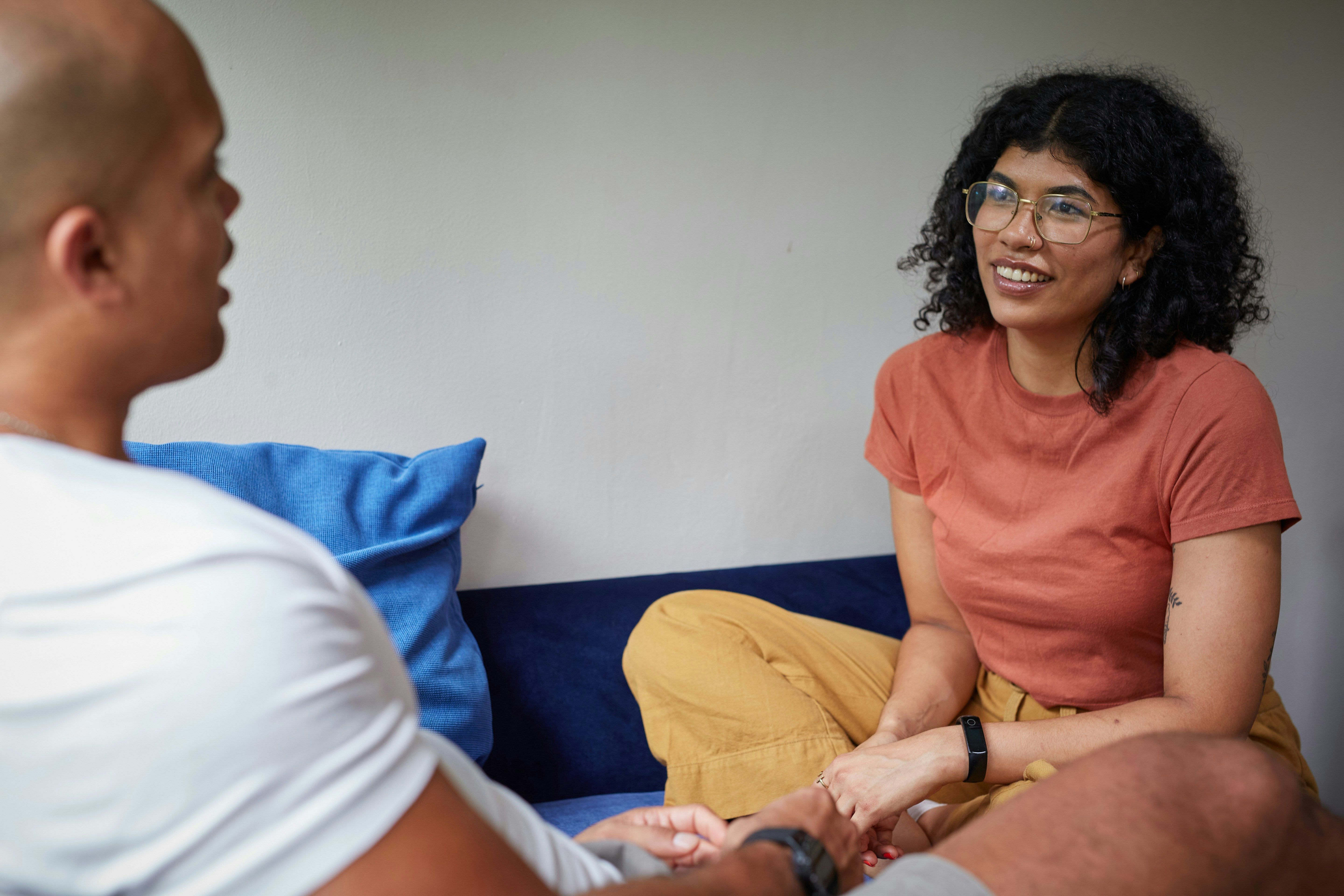
When gambling knocks a family off balance, professional help is vital. But sometimes, what really hits home is sitting across from someone who’s been through it too. That’s where peer led support groups like Gam Anon come in.
These aren’t lecture halls. They’re spaces where spouses, kids, and parents share the unfiltered version of what they’ve lived through. No sugarcoating. No judgment. Just real talk. That shared experience has a grounding effect it cuts through the isolation and replaces it with perspective. People realize they’re not alone, not broken, and not helpless.
Accountability also gets a boost in these circles. When someone else says, “This boundary helped me sleep again,” or “I slipped, and here’s what I learned,” it’s easier to stay on point. The goal isn’t perfection. It’s progress with witnesses.
Over time, this kind of connection helps families rebuild trust, communication, and a bit of peace. It’s not therapy. It’s community at its most practical one story at a time.
How Loved Ones Can Be a Lifeline
When someone is battling a gambling addiction, having family by their side can make a big difference but only if it’s done right. Support doesn’t mean fixing everything or ignoring the damage. In fact, that’s where a lot of people go wrong. Helping someone recover means walking a fine line: being present, without enabling.
Start with boundaries. Clear, consistent limits create an environment where trust can regrow. That means no bailing the person out financially, no lying to cover for them, and no sacrificing your own well being to keep them comfortable. Recovery is uncomfortable, by design.
Trust takes time, especially if there’s been deception or broken commitments. But every honest conversation helps. So does sticking to your word. Reinforce the positives, but don’t sugarcoat setbacks. A good rule of thumb: support the person, not the behavior.
Communication holds it all together. That doesn’t mean talking constantly it means listening just as much. Family members who stay calm, clear, and grounded help keep recovery on track. Being reactive or emotionally volatile only adds fuel to the fire.
Small actions stack up. A family dinner, a walk after therapy, even a text checking in all of this tells the person they’re not alone, even if the road’s hard. According to family and friend support, these everyday moments are what actually build momentum.
If you’re wondering whether you’re helping or enabling a good litmus test is this: are they doing the work, or are you doing it for them? Recovery belongs to the person struggling. The family’s job is to walk alongside, not carry.
The role is tough, but powerful. Navigated thoughtfully, it’s one of the most solid tools in someone’s journey to real, lasting change.
Tech Based Support: Tools That Empower
Technology is playing a growing role in helping families manage the practical and emotional challenges of gambling addiction. For those navigating recovery in today’s digital world, a range of innovative tools are making real time support more accessible and effective than ever before.
Digital Tools That Reduce Risk
One of the most immediate concerns for families is helping loved ones limit access to gambling platforms. Modern tools offer powerful solutions:
Blocking apps: Apps like Gamban and BetBlocker can restrict access to gambling websites and apps across multiple devices.
Self exclusion tools: Self exclusion programs, many managed by gambling operators or government agencies, allow individuals to voluntarily block themselves from online casinos and betting platforms.
Time and spend limit features: These features now available in many gambling apps help users set boundaries early.
Online Forums and Virtual Therapy
Support doesn’t just happen face to face anymore. Remote resources are bridging geographic gaps and providing connection where it’s needed:
Virtual therapy sessions provide flexible options for those who can’t access in person mental health services.
Online support communities offer round the clock engagement, including forums where families can share experiences, challenges, and solutions.
Webinars and educational sessions hosted by mental health professionals keep families informed and involved.
Budgeting and Financial Monitoring Tools
Financial strain is one of the most damaging ripple effects of gambling addiction. But digital tools can help families regain control:
Secure budgeting apps like Mint or YNAB (You Need A Budget) enable families to track spending and identify harmful patterns.
Bank integrated financial controls, such as transaction alerts or gambling block options, provide another layer of oversight.
Debt management platforms can guide families through repayment strategies and financial rebuilding.
By using tech based tools in combination with emotional and community support, families can navigate gambling recovery with greater confidence and structure. The right digital resources empower not replace human connection, but they make it easier to stay accountable, informed, and supported.
Hope Through Realistic Action
Gambling addiction doesn’t just affect one person it challenges whole families. But with awareness, structure, and patience, recovery is possible. What truly makes a difference is the presence of a strong, well informed support system.
A Team Based Approach to Recovery
Recovery isn’t a solo journey. Families who take a team based approach often see greater progress, both emotionally and practically. When everyone involved understands the process and plays a clear role, it becomes easier to navigate setbacks and celebrate milestones.
Collaborate with professionals (therapists, financial counselors, legal advisors)
Involve trusted friends or extended family as part of the support circle
Make room for everyone’s healing not just the individual in recovery
You Don’t Have to Go It Alone
Isolation fuels stress. Many families hesitate to reach out, fearing stigma or judgment. But the reality is, countless resources exist and many others have quietly walked the same path. Leaning into those networks can make all the difference.
Seek out local or online support groups for families affected by gambling addiction
Use helplines or vetted resource hubs to get fast, relevant support
Trust that professional help isn’t a last resort it’s a powerful first step
Knowing When to Step Back and When to Lean In
Being close to someone struggling with addiction requires emotional agility. Families often grapple with deciding when to intervene and when to let go. Clear communication, boundaries, and realistic expectations are key.
Establish boundaries that support recovery without enabling poor behavior
Step back when the situation requires space and lean in with encouragement when invited
Learn the signs of progress versus patterns of relapse, and adjust your support accordingly
Recovery is a process, not a moment. And while it’s never simple, it becomes far more manageable when families educate themselves, build a trusted network, and commit to both patience and action.